Energy bills are rising, blackouts are becoming common, and more people want to live sustainably. That’s where the idea of an off-grid eco generator comes in.
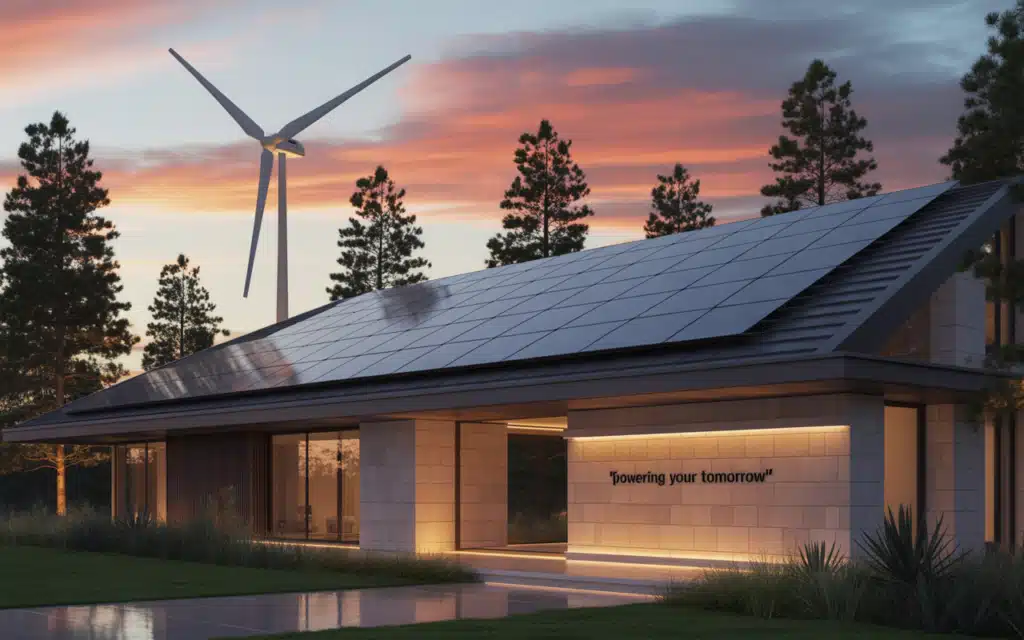
Imagine having your own power source that works day and night, even when the main grid fails.
A system that doesn’t burn harmful fuels, doesn’t release smoke, and doesn’t make loud noises like a diesel generator. That’s the promise of eco-friendly, off-grid energy systems.
In this guide, we’ll explore what an off-grid eco generator is, how it works, why it matters, and how you can choose the best one for your home, business, or outdoor adventure.
To understand the full picture of Off-Grid Energy Solutions, explore The Lost Generator’s complete guide.
Understanding Off-Grid Eco Generators
What Does “Off-Grid” Mean?
Being “off-grid” means your electricity supply does not rely on the main power grid managed by utility companies.
- You make your own electricity using renewable sources like solar, wind, or hydro power.
- You store this energy in batteries to use when needed.
- You gain independence, reliability, and sometimes even lower long-term costs.
This lifestyle is popular among people living in remote cabins, RV travelers, boat owners, and even suburban families who want reliable backup power during blackouts.
What Is an Eco Generator?
An eco generator is a generator designed to produce electricity in a way that is environmentally friendly.
Unlike traditional generators that run on gasoline or diesel, eco generators rely on renewable sources like solar, wind, or even kinetic energy.
These systems:
- Produce zero emissions while generating power.
- Run quietly compared to fuel-powered machines.
- Save money over time as they don’t need constant refueling.
When combined, an off-grid eco generator is a clean, independent energy system that allows you to power your devices, appliances, and entire homes without hurting the planet.
How Off-Grid Eco Generators Work
An off-grid eco generator works by capturing natural energy, storing it, and converting it into usable electricity.
To dive deeper into the technology behind these systems, check out our guide to solar, wind, and hybrid systems.
The Core Technology
- Energy Capture: Panels or turbines collect energy from the sun, wind, or other sources.
- Storage: High-capacity batteries store the captured energy.
- Conversion: Inverters convert the stored energy into electricity for your devices and appliances.
Modern systems are also smart – they use AI-driven controllers to manage energy flow efficiently, so you never run out when you need it most.
Energy Storage and Management
The battery system is the heart of every off-grid setup. It stores energy for nighttime use or during cloudy, windless days.
- Lithium-ion batteries are now common because they last longer and charge faster.
- Advanced monitoring apps allow you to see exactly how much power you have left in real time.
Some premium systems even connect to your phone, helping you track power use, adjust settings, and receive alerts when storage is running low.
Benefits of Using an Off-Grid Eco Generator
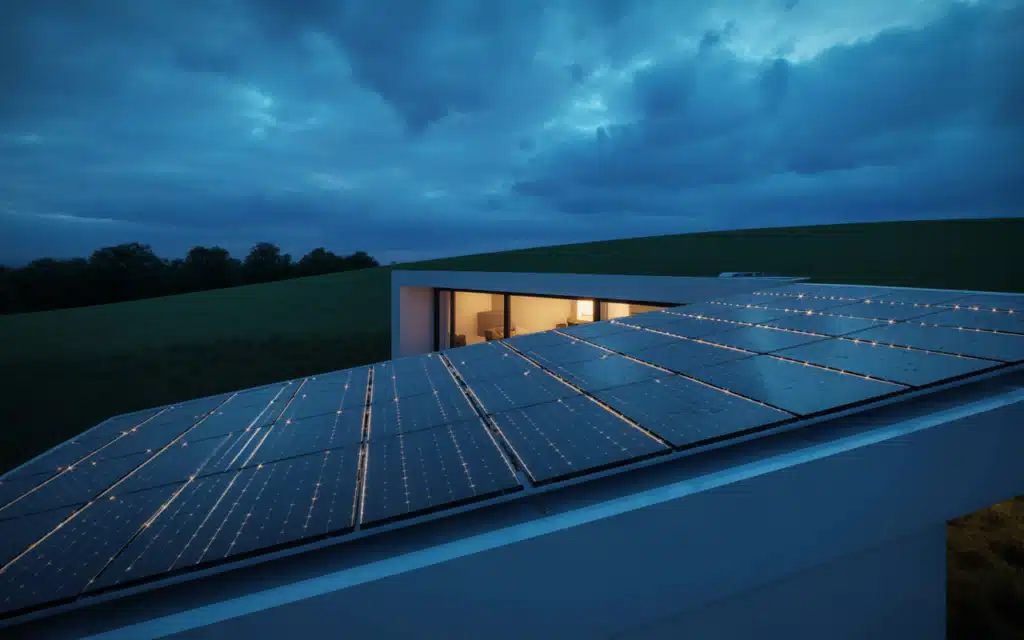
1. Energy Independence
No more relying on utility companies or worrying about rising electricity rates.
Your eco generator keeps your home or cabin powered 24/7.
- In rural areas, this independence is priceless.
- For urban homes, it provides peace of mind during outages or natural disasters.
2. Eco-Friendliness
Eco generators produce zero harmful emissions, making them a sustainable alternative to diesel or gasoline generators.
According to the U.S. Environmental Protection Agency, a single gallon of diesel fuel emits over 22 pounds of carbon dioxide into the air.
Switching to an off-grid eco generator significantly reduces your carbon footprint.
3. Cost Efficiency
While the upfront cost of installing an off-grid eco generator can feel high, the long-term savings are huge.
- You stop paying high monthly energy bills.
- Maintenance costs are minimal compared to fuel-powered machines.
- Many governments even offer tax credits or incentives for installing renewable energy systems, reducing your investment cost.
4. Reliability in Emergencies
Power outages due to storms, grid failures, or natural disasters are becoming more frequent.
An off-grid eco generator ensures your home stays lit, your fridge stays cold, and your devices stay charged – even in the darkest times.
5. Portability
Some eco generators are compact and portable, making them ideal for:
- Camping trips
- Boats and RVs
- Remote work sites
This flexibility allows you to carry your energy source wherever you go.
Real-World Example: Energy Savings
Take the example of a family in Texas who invested in a solar-based off-grid eco generator. Their initial setup cost was around $7,500.
Within four years, they had recovered their investment by saving on utility bills.
Beyond that, their monthly energy expense is almost zero – while enjoying clean, uninterrupted power.
Why People Are Switching to Off-Grid Eco Generators
- Climate awareness is driving demand for greener energy.
- Blackout anxiety pushes homeowners to seek backup power.
- Technological advances have made these systems more affordable and user-friendly than ever.
According to the International Energy Agency, the cost of solar power alone has dropped by over 80% in the last decade, making off-grid solutions accessible to more people.
Types of Off-Grid Eco Generators
Not all off-grid systems are the same. Choosing the right one depends on where you live, your energy needs, and your budget. Let’s break it down.
1. Solar Generators
Solar eco generators are the most popular because they are easy to install and maintain.
- Best for: Sunny regions with good daylight hours.
- Pros: Quiet, low maintenance, and scalable to power anything from a phone charger to a whole house.
- Cons: Output can drop during cloudy days or at night without proper battery storage.
Example: A mid-range home setup with a 5kW solar generator can easily power daily essentials like lights, fans, refrigerators, and even laptops.
2. Wind Generators
Wind-based eco generators use turbines to convert wind energy into electricity.
- Best for: Coastal or high-wind regions.
- Pros: Works day and night, even when there’s no sunlight.
- Cons: Requires open space and steady winds for efficiency.
Many families combine solar + wind systems for a hybrid solution that delivers more consistent power.
3. Hybrid Systems
Hybrid systems combine two or more renewable sources – typically solar and wind – for reliable off-grid energy.
- Best for: Remote areas or homes needing constant, uninterrupted power.
- Pros: Greater reliability, faster energy generation, and more storage flexibility.
- Cons: Higher upfront costs but better long-term performance.
4. Portable Eco Generators
These are smaller systems that can fit in your car trunk or RV.
- Best for: Camping, road trips, boating, or emergency kits.
- Pros: Lightweight, easy to use, and great for charging phones, laptops, or small appliances.
- Cons: Limited capacity; not suitable for heavy household loads.
How to Choose the Right Off-Grid Eco Generator
Selecting the perfect generator isn’t about buying the most expensive one – it’s about matching your power needs and budget.
1. Assess Your Energy Needs
Start by calculating your daily energy usage.
- List all appliances and devices you want to power.
- Check their wattage and multiply by hours of daily use.
- Add a 20% buffer to avoid overloading your system.
Example: If your daily need is around 5,000 watts, you might need a 5kW solar or hybrid generator with battery storage.
2. Consider Your Budget
- Entry-level portable systems: Start at $300 to $700.
- Mid-range home systems: Typically $5,000 to $10,000.
- Large hybrid systems: $15,000 and above, but they can power an entire property.
Tip: Check for local government incentives or tax credits that can cover up to 30% of installation costs in some regions.
3. Key Features to Look For
- Battery Capacity: Look for high-capacity lithium-ion batteries.
- Portability: For outdoor use, prioritize compact designs.
- Smart Monitoring: Systems with mobile apps to track usage in real time.
- Durability: Weather-resistant designs for outdoor setups.
- Warranty: Longer warranties usually mean better reliability.
Installation and Maintenance Tips
DIY vs. Professional Installation
- Portable units: Easy to set up yourself.
- Home or hybrid systems: Better handled by licensed installers for safety and efficiency.
Regular Maintenance
- Clean solar panels monthly for optimal efficiency.
- Inspect connections and batteries every 3–6 months.
- Update software if your system includes smart monitoring features.
With proper care, most systems can last 10-15 years, with batteries often needing replacement after 7-10 years.
Real-World Use Cases
1. Homeowners
Families in suburban neighborhoods use hybrid eco generators to cut energy costs and have a reliable backup during outages.
2. Off-Grid Cabins
Remote cabins depend on solar and wind systems to stay completely independent of city infrastructure.
3. Outdoor Enthusiasts
Campers and RV owners love portable eco generators for powering stoves, charging devices, or even running portable coolers.
4. Emergency Preparedness
Emergency agencies and homeowners keep eco generators ready for natural disasters like hurricanes or floods, where grid power may be down for days.
Pros and Cons of Off-Grid Eco Generators
Pros
- Total independence from utility companies.
- Clean, sustainable energy production.
- Quiet and efficient operation.
- Long-term cost savings.
- Versatile for both permanent and portable use.
Cons
- High upfront investment for large systems.
- Weather-dependent performance (for solar or wind-only setups).
- Battery replacements every 7–10 years.
Future of Off-Grid Eco Power
The future of eco generators looks brighter than ever:
- Cheaper Batteries: Lithium-ion and solid-state batteries are becoming more affordable.
- AI Optimization: Smarter systems that predict usage patterns and maximize efficiency.
- Government Support: More rebates and tax incentives to push green energy adoption.
Experts predict that by 2030, off-grid renewable systems will be standard in many households across the globe.
FAQs
What size off-grid eco generator do I need for my home?
Calculate your daily energy usage in watts and choose a system that can handle that load with extra storage for backup.
Can eco generators power heavy appliances?
Yes, larger systems can run refrigerators, AC units, and even washing machines, but sizing is key.
How long do eco generator batteries last?
Lithium-ion batteries typically last 7–10 years, depending on usage and maintenance.
Are there government subsidies for off-grid systems?
Yes, many regions offer tax credits or rebates covering up to 30% of installation costs.
Conclusion
An off-grid eco generator isn’t just a gadget – it’s a pathway to freedom, sustainability, and security.
Whether you’re powering a remote cabin, preparing for emergencies, or simply cutting down on bills, these systems are reliable and future-ready.
With energy costs rising and technology getting better, there has never been a better time to explore off-grid energy solutions for your home or business.
Start small, scale up, and enjoy the peace of mind that comes with producing your own clean power.